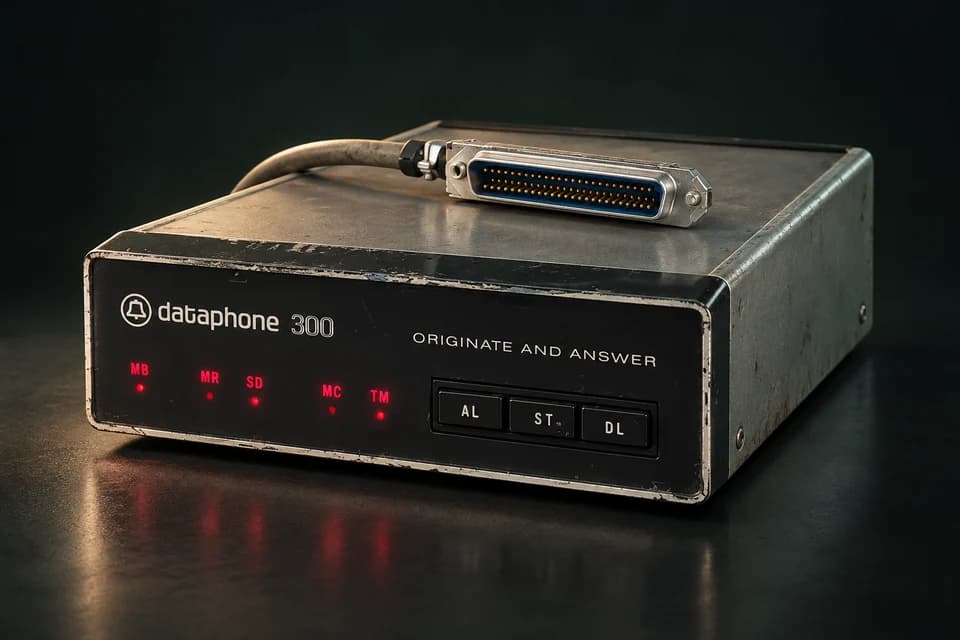
LINES / 1962
BELL 103
Two tones carry every bit. Chirping, smeared and strangely melodic.
CVSD

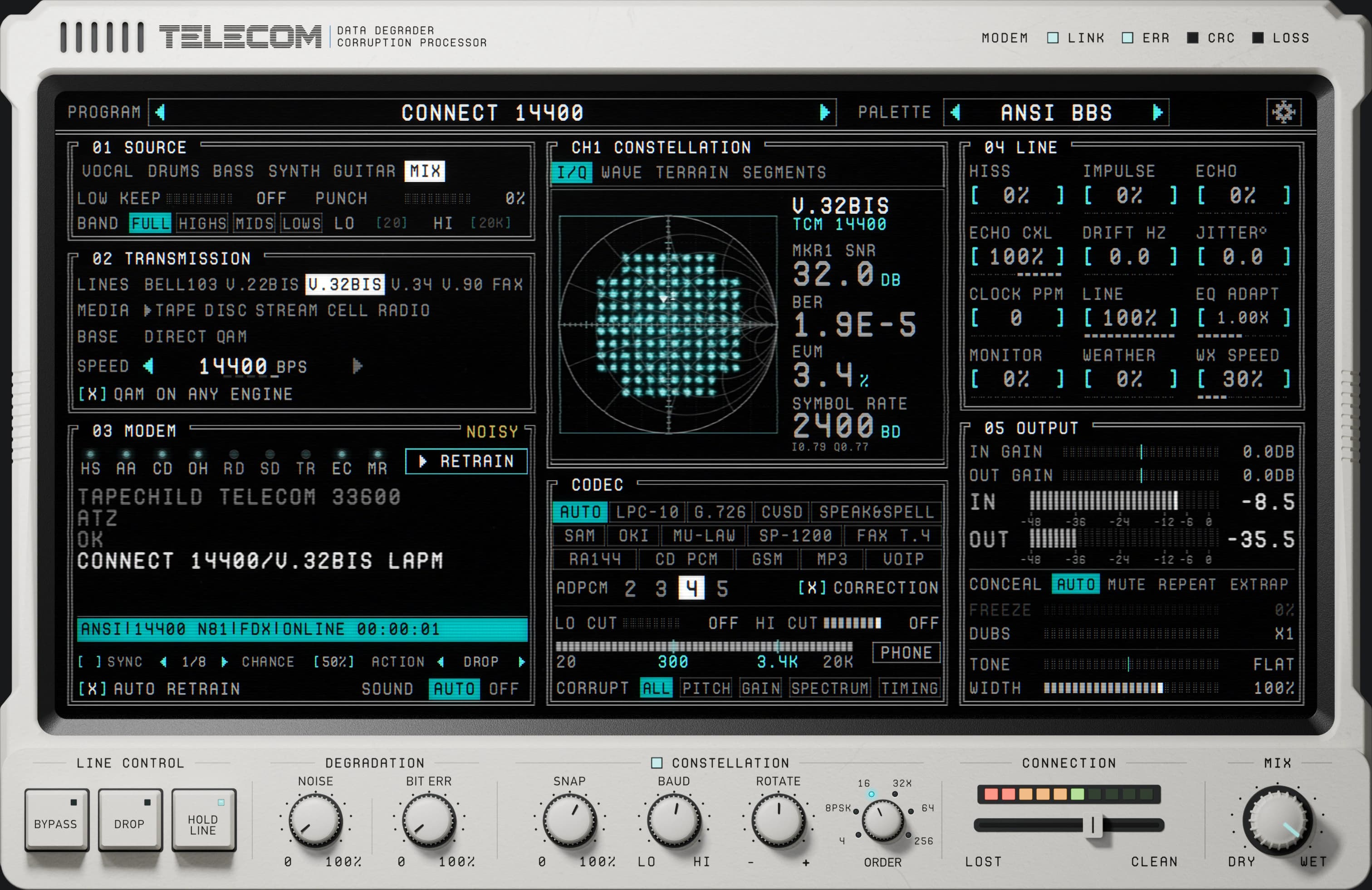
Telecom encodes your audio with real codecs, sends it through emulated modems, phones, tape, CDs, and radio, and decodes what survives. The glitches are real transmission errors.
“You really have to hear this thing. I can't even explain half the sounds I'm getting out of it, and that's exactly why I love it.”







Processed audio, straight from Telecom. Every example below is a render from the plugin — nothing added in post.
DEFAULT SETTINGS ONLY. THE PLUGIN ALSO HAS 14 CODECS, NOISE, ECHO, DRIFT, JITTER, WEATHER, BIT ERRORS, S.A.M. VOICE, SYNCED DROPOUTS AND MORE.
Audio becomes data, travels through a damaged connection, then returns as sound. Each signal path breaks in its own way.
Your vocal, drum loop, synth or full mix.
Encoded into bits by a real historical codec.
Bits become tones, tape pulses, pits or packets.
Noise, echo, drift, scratches, packet loss.
An adaptive receiver fights to lock back on.
The surviving data is decoded back into audio.
Two tones carry every bit. Chirping, smeared and strangely melodic.
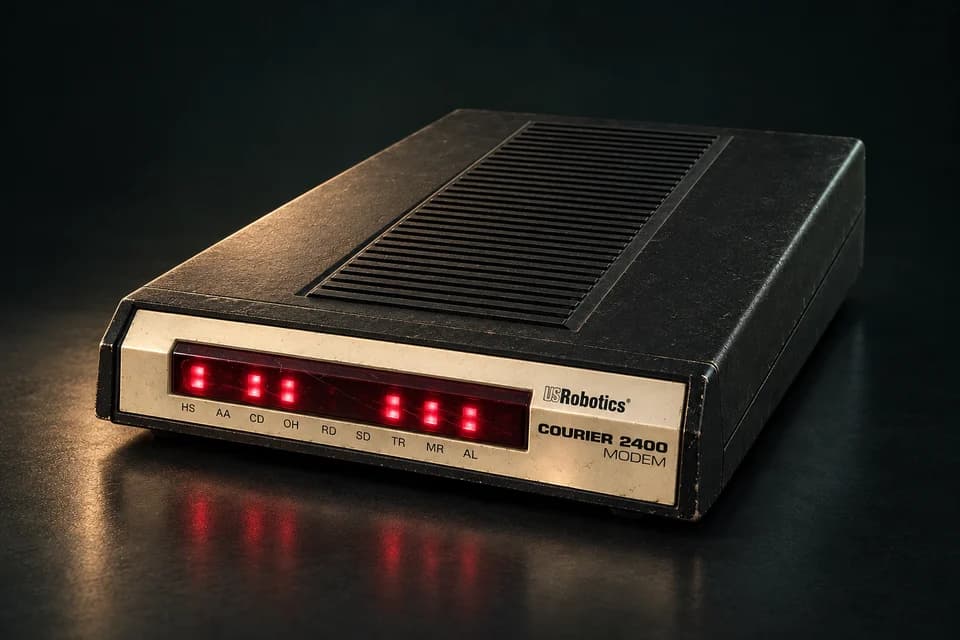
2400-bit telephone transmission. Narrow, secret-agent vocals.
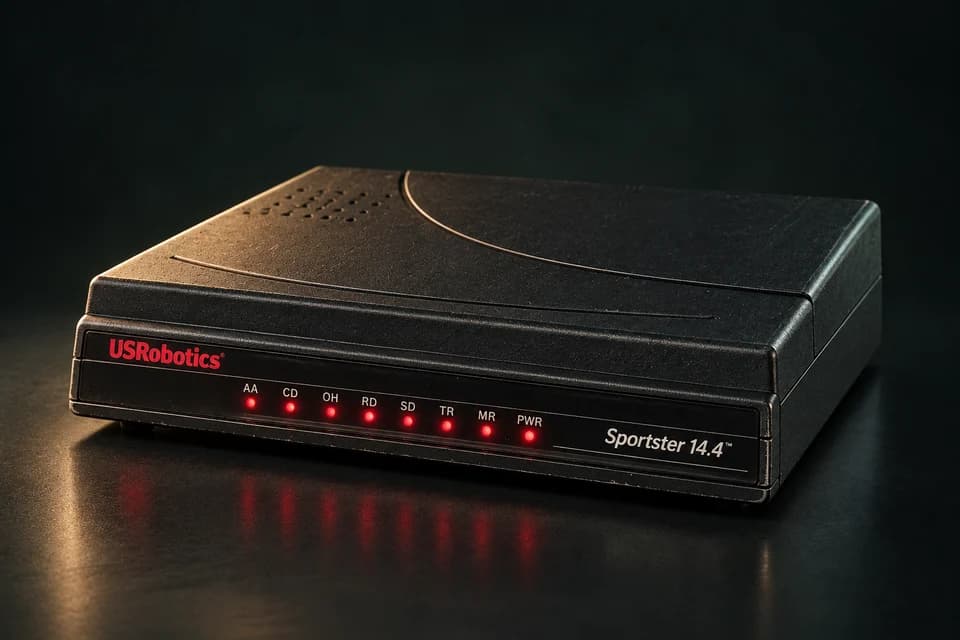
Grainy telephone tone. The receiver loses its grip and retrains.
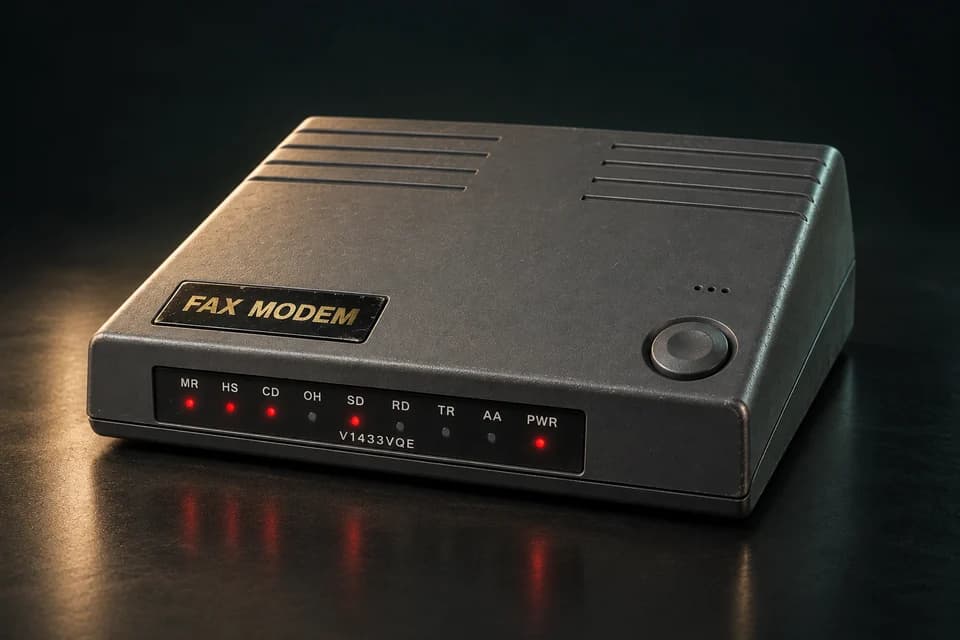
33.6k dial-up. Adaptive recovery, packet damage and sudden retrains.
Windows 95 · dial-up era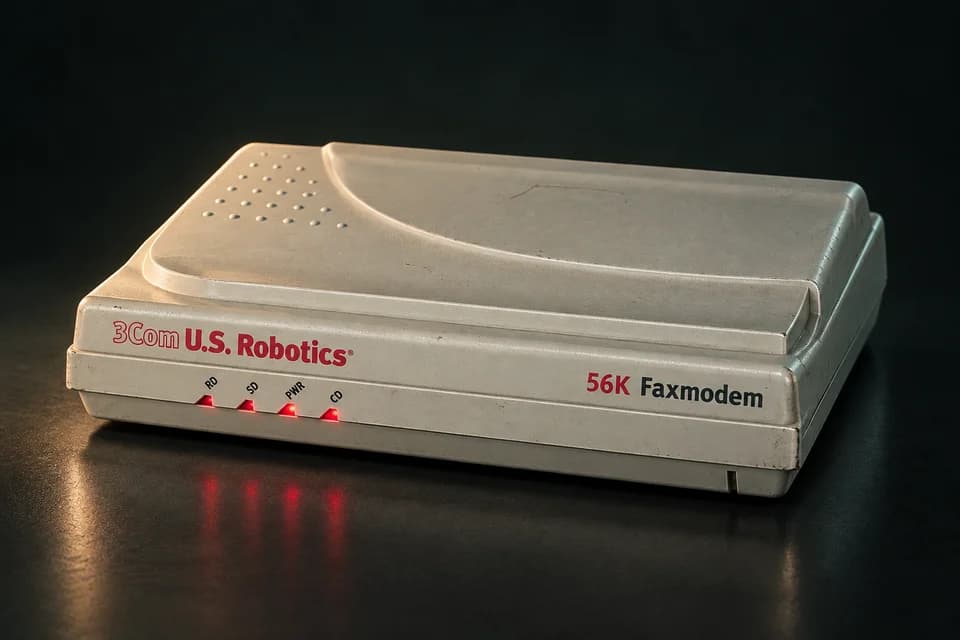
56k-era phone lines with PCM transmission and μ-law grit.
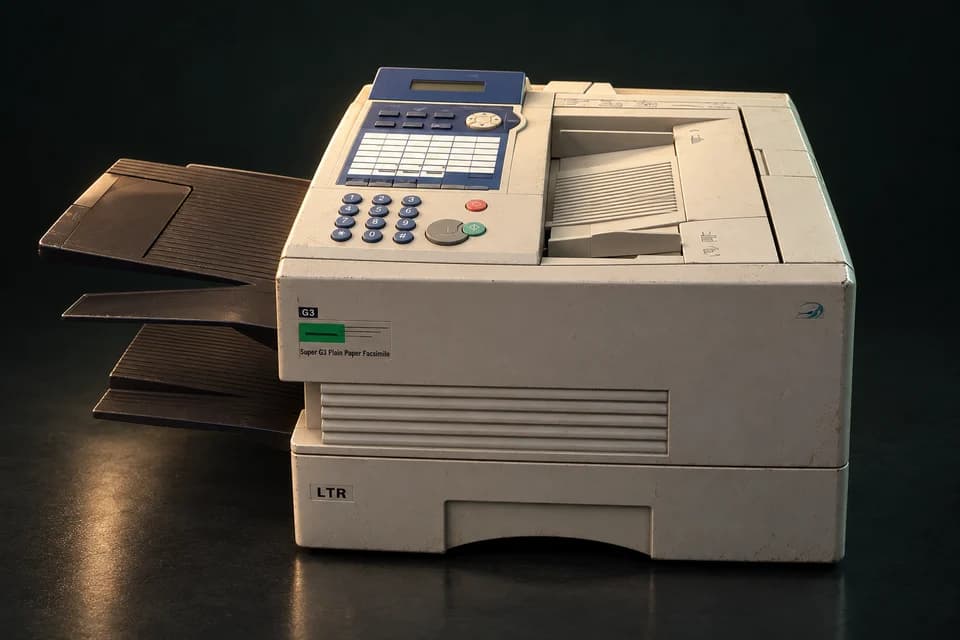
Sound becomes a fax page, then audio again. Printed, smeared textures.
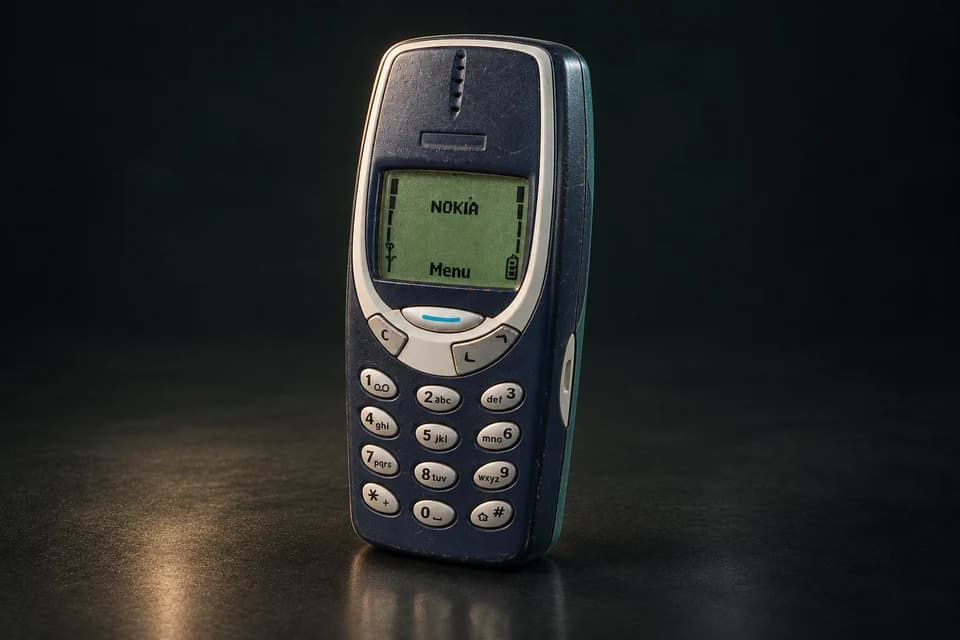
GSM mobile-phone character: narrow voice, broken reception and digital fragments.
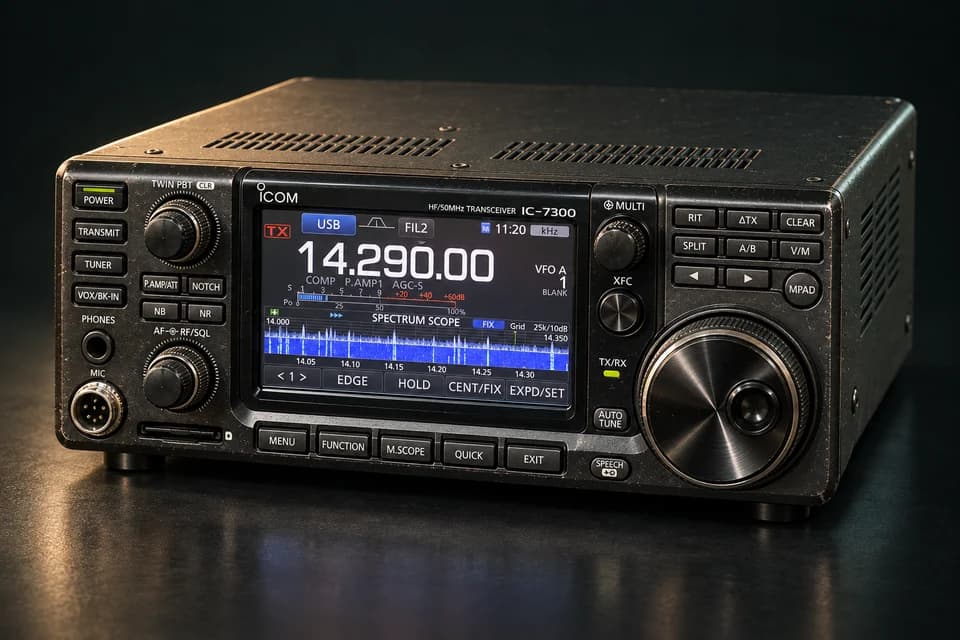
Shortwave radio: tuned voices, unstable reception and drifting carrier tones.
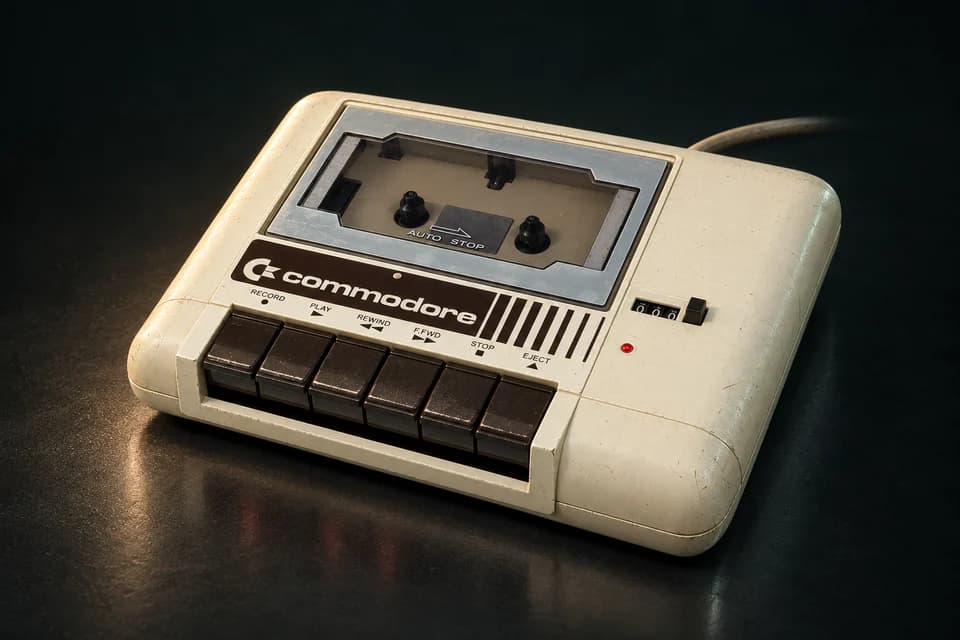
Cassette loaders, speed wobble and worn-tape dropouts.
ZX Spectrum · Commodore 64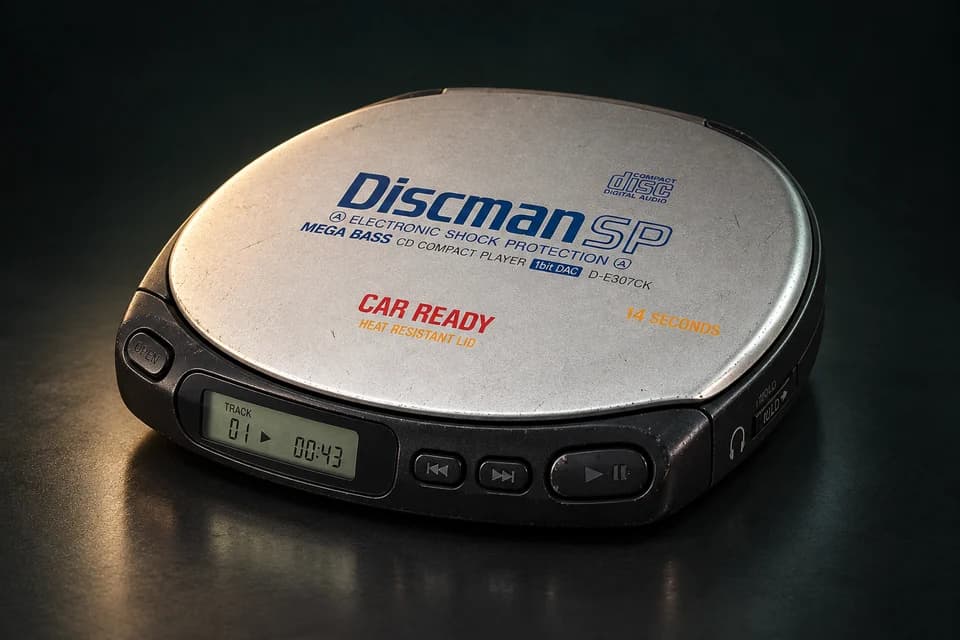
Scratched CDs, skips, stuck loops and bad rips.
Portable CD players · CD-ROM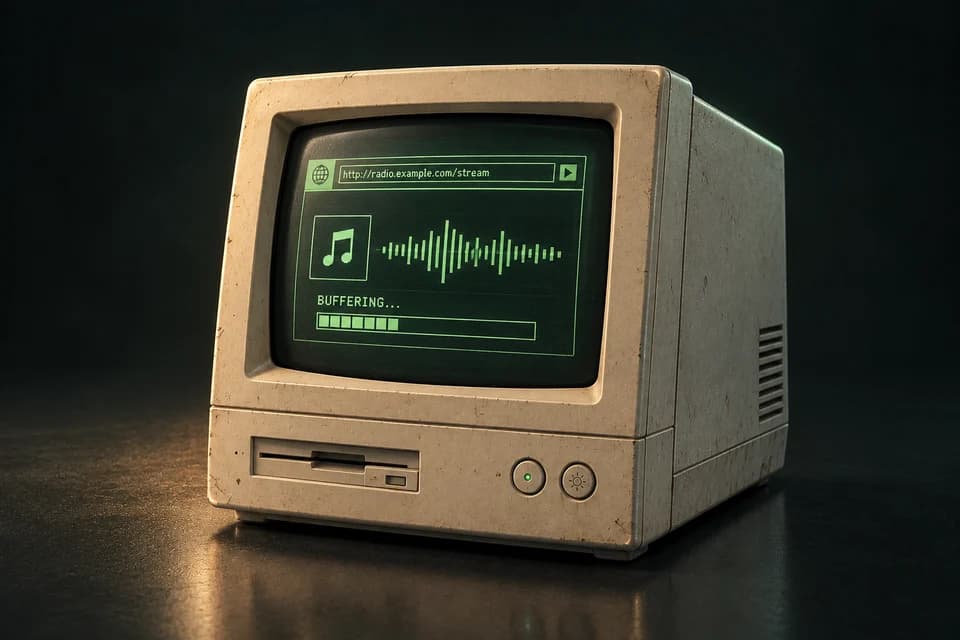
Early internet audio. Lost packets, frozen buffers and broken playback.
RealAudio · early web radio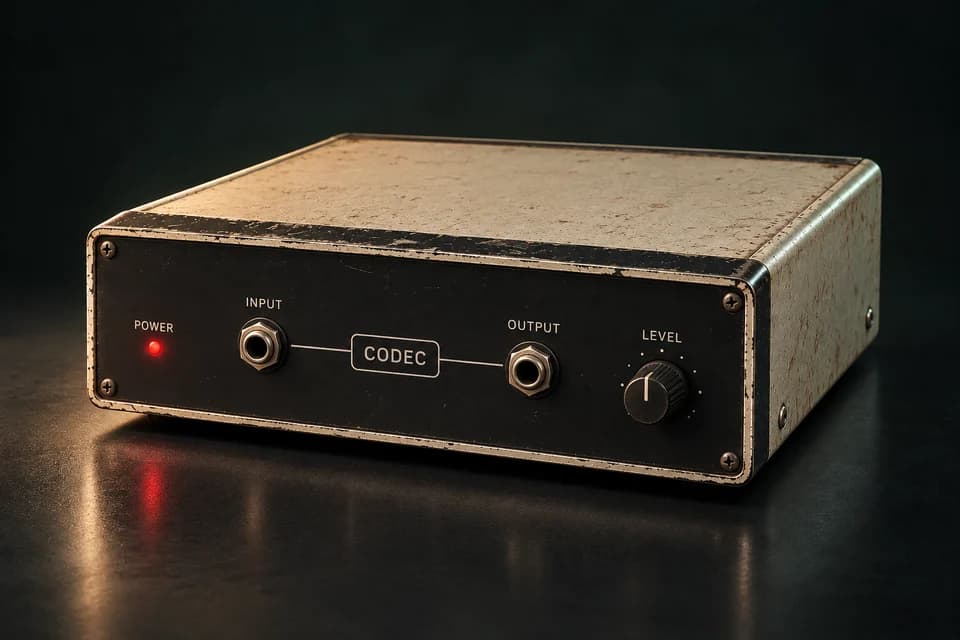
Codec only plus raw bit errors — no transmission. The fastest way to hear a codec’s own character.
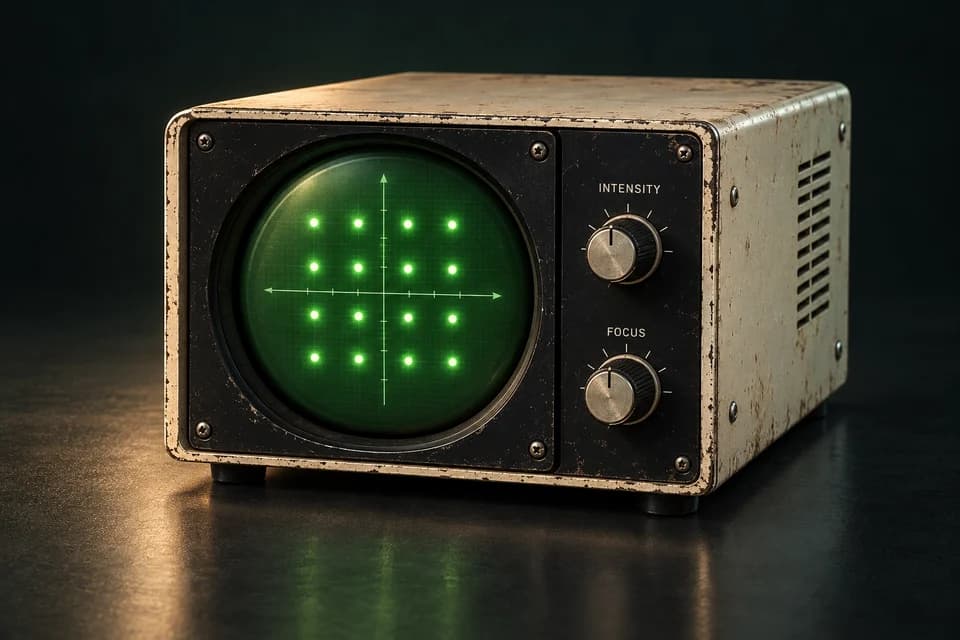
Audio snapped to modulation constellation points. Near-zero latency and stackable on any engine. Built for drums and bass.
The codec gives it a voice. The line tears it apart.
AUTO matches the codec to your engine.
ROBOTIC SPY RADIO
TOY-ROBOT VOICE
MAKES ANY INPUT SING
HIP-HOP CRUNCH
GRAINY TELEPHONE
WATERY EARLY INTERNET
RealAudio · early web radioSLEW · GROWL · BUZZ
ARCADE CRUNCH
GRITTY 8-BIT DRUMS
PRINTED SOUND
CLEAN UNTIL DAMAGED
MOBILE PHONE
DIGITAL SMEAR
Napster · MP3-sharing eraBROKEN CALLS
PERIOD-CORRECT
Pitch, gain, spectrum or timing.
Corrupt only the frequency band you choose.
Lock failures to your DAW tempo.
Trigger a dropout when the track needs it.
Available October 27, 2026
A modem front panel, with every failure within reach.
BYPASS · DROP · HOLD LINE
NOISE · BIT ERR · SNAP
BAUD · ROTATE · ORDER
Pull the signal down. Blend the damage in.
LINK · ERR · CRC · LOSS
Choose the source and frequency range to process.
Choose a transmission path and set its speed.
Set how the receiver reconnects and syncs to your track.
Watch the signal and choose a codec, or let AUTO match it.
Shape the interference with noise, echo, drift and jitter.
Balance the output gain, tone and stereo width.
Break the line. Keep what survives.
Telecom launches on October 27, 2026. Click Buy and leave your email to receive a launch notification. No payment is taken.
Telecom goes beyond traditional bitcrushing. It degrades your audio through codecs and simulated transmission paths, creating everything from digital grit to dropouts, retrains and broken connections.
Only if you want it to. LOW KEEP keeps the sub clean while the codec and line work on everything above it.
No. WEATHER drives the line impairments with a chaotic attractor (Lorenz / Rössler), so storms come and go instead of looping.
Yes. Each engine defaults to its historically matched codec on AUTO, and any of the 14 codecs can ride on any line.
VST3, AU and Standalone, on macOS and Windows.


